
 US Dollar (USD)
 Euro (EUR)
 British Pound (GBP)

Magnetic vs. Photochromic Ski Goggles: Which Winter Lens System Is Right for You?
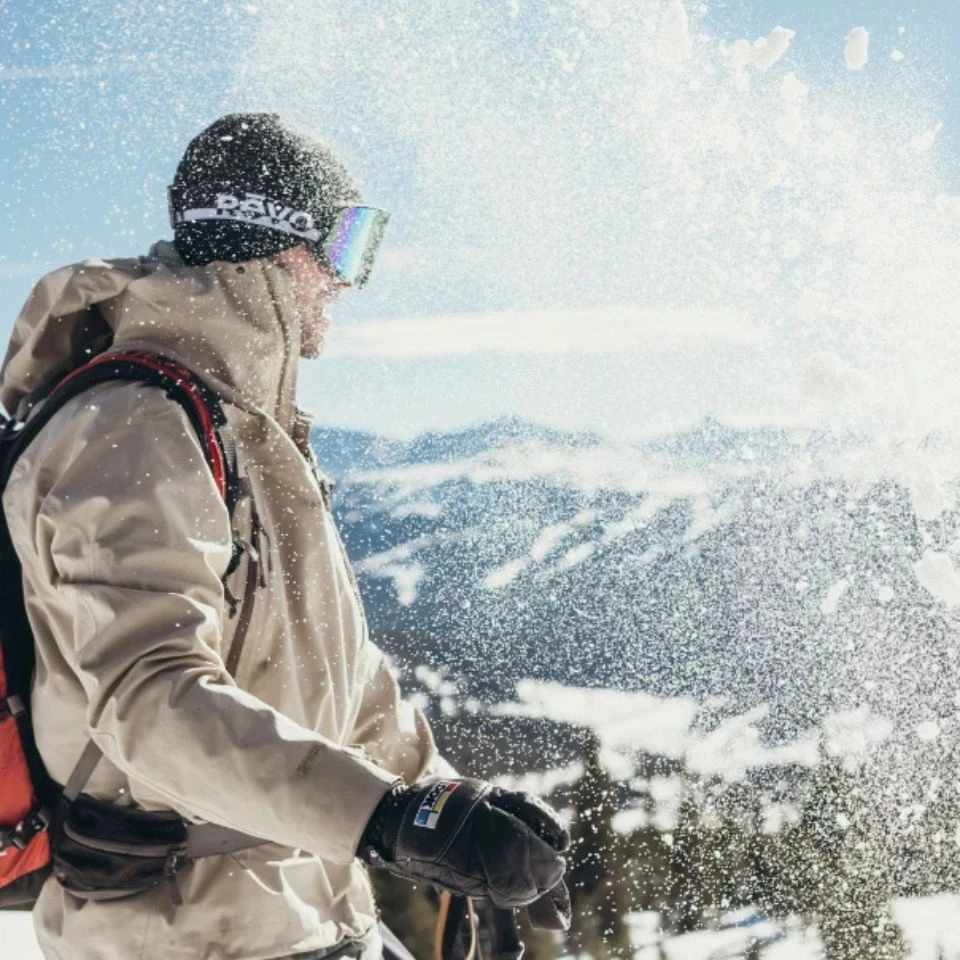
If you have shopped for ski or snowboard goggles recently, you may have noticed that winter eyewear has become much more sophisticated. Riders are no longer choosing only between a dark lens and a light lens. Today, two popular technologies make it easier to deal with changing mountain light: magnetic interchangeable ski-goggle lenses and photochromic ski goggles.
Both approaches are designed to solve the same basic problem. Mountain conditions change.
The difference is how each system responds.
Magnetic goggles allow you to physically change the outer lens when conditions shift. Photochromic lenses automatically change tint according to available light.
At Goggles N More, skiers and snowboarders can find both styles along with prescription insert options from winter brands including Nordik, Snowledge, and REVO.
Why One Ski-Goggle Lens Is Not Always Enough
Think about a typical day on the mountain. You might start skiing under overcast skies, move into sunshine before lunch, spend part of the afternoon in shaded trees, and finish the day as another storm rolls in.
Each environment creates different visual conditions.
A dark mirrored lens that feels comfortable in strong sun may become too dark when heavy clouds arrive. A bright low-light lens that helps during snowfall may become uncomfortable when the sun breaks through.
Modern lens systems give riders more ways to adjust.
How Magnetic Ski Goggles Work
A magnetic ski-goggle system uses magnets positioned around the frame and lens. Rather than relying entirely on tabs, clips, or rigid mounting points, the magnets align and hold the lens against the frame.
To change lenses, the rider removes the current lens and attaches another compatible one.
Good magnetic systems are designed to make this process fast enough that a skier or snowboarder can change lenses during the day without spending excessive time fighting with the frame.
Nordik and Snowledge both offer magnetic snow-goggle models through Goggles N More.
Nordik Magnetic Ski Goggles
The Nordik Hod uses a 10-magnet interchangeable-lens design and includes a bonus lens in many current configurations.
That gives riders two different lens options while using the same goggle frame.
Nordik also offers magnetic models such as the Torsten and youth-sized Freya, providing interchangeable-lens technology across different fits and age groups.
The advantage is control. You decide which lens you want based on the conditions you see outside.
Snowledge Cyklone Magnetic Goggles
The Snowledge Cyklone takes a slightly different approach by combining magnetic lens attachment with a locking mechanism.
This gives riders the convenience of quick magnetic changes while providing an additional method of securing the lens.
Current Cyklone configurations from Goggles N More also include an additional yellow lens, giving riders another choice for different lighting conditions.
Advantages of Magnetic Ski Goggles
The biggest advantage is choice. Instead of asking one lens to perform in every condition, you can physically install the lens that makes the most sense for the weather.
Magnetic goggles can also be useful for riders who have very specific preferences. You might prefer a darker mirrored lens during full sun and a yellow or rose-based lens in flat light.
Because the lenses are separate, each one can be optimized for a particular range of conditions.
What Is a Photochromic Ski-Goggle Lens?
Photochromic technology takes a different approach.
Instead of asking the rider to swap lenses, the lens itself responds to changing amounts of light.
As conditions become brighter, the photochromic lens darkens. When light decreases, it becomes lighter.
The benefit is convenience. You do not necessarily have to stop and change your lens simply because clouds have moved across the mountain.
REVO Photochromic Ski Goggles
REVO is one of the major photochromic winter brands available through Goggles N More.
Models including REVO Mammoth, Piste, Outback, Ranger, Snowbird, Solstice, Whiteout, Flex, and Highland are available in configurations featuring photochromic lens technology.
REVO uses its SuperNova+ system on selected models, including the Mammoth, with lens colors such as Solar Orange and Water Blue.
The Mammoth also includes additional features such as anti-fog technology and enhanced peripheral-vision design.
Advantages of Photochromic Ski Goggles
The primary advantage is automatic adaptation.
If sunlight increases or decreases, the rider does not necessarily need to stop, remove gloves, find a spare lens, and change the goggle setup.
This can be particularly appealing to recreational skiers who simply want to put on their goggles in the morning and keep skiing throughout the day.
Photochromic goggles also reduce the need to carry multiple lenses with you, although some riders still like having a backup option.
Magnetic vs. Photochromic: Which Is Better?
Neither technology is automatically better for every skier or snowboarder.
If you like having direct control over your lens tint and regularly carry multiple lenses, a magnetic system may be ideal.
If you would rather have the lens respond automatically as conditions change, a photochromic system may fit your style better.
Some serious winter athletes appreciate interchangeable lenses because they can select very specific lenses for racing, flat light, storm conditions, or full sunshine.
Other riders value the simplicity of photochromic technology and prefer not to think about lens changes once they are on the mountain.
What About Prescription Ski Goggles?
Here is where both systems become particularly useful for glasses wearers.
Goggles N More offers prescription goggle inserts for compatible Nordik, Snowledge, and REVO models.
The prescription insert sits behind the outer snow-goggle lens. That means your prescription is independent from the lens technology.
If you use magnetic goggles, you can change the outer lens while keeping the same prescription insert.
If you use photochromic goggles, the outer lens can automatically adjust while your prescription insert remains unchanged.
Either way, the prescription does not have to be built into every outer snow lens.
Prescription Inserts vs. Wearing Glasses Under Goggles
Over-the-glasses goggles remain an option, and several winter models are designed to accommodate traditional eyeglass frames.
However, some skiers find traditional glasses uncomfortable beneath a helmet because the temple arms become trapped against the sides of the head.
A prescription insert eliminates those eyeglass arms and integrates the corrective lenses directly inside the goggles.
Goggles N More offers different insert sizes along with single-vision, progressive, and other prescription configurations for compatible products.
Don't Ignore Anti-Fog Technology
Lens-changing technology gets a lot of attention, but fogging can matter just as much.
Nordik goggles feature anti-fog coatings and ventilation. Snowledge Cyklone goggles use anti-fog treatment and ventilation. REVO Mammoth includes FlowPro anti-fog technology and an anti-fog inner lens layer.
Prescription inserts can also be ordered with anti-fog options through Goggles N More.
No system can compensate for every possible condition, so proper fit and care remain important. Keep vents unobstructed and follow the manufacturer's instructions when cleaning treated lenses.
Consider Your Helmet and Face Shape
Lens technology should never be the only factor when choosing ski goggles.
A goggle must fit your face comfortably and work with your helmet. A frame that leaves large gaps, creates painful pressure, or is constantly pushed out of position will be frustrating regardless of how advanced the lens is.
Different brands and models have different fits. Nordik offers youth and low-bridge options in addition to standard adult models, while REVO and Snowledge provide multiple frame shapes and sizes.
Whenever possible, evaluate the entire system rather than choosing solely by lens technology.
Which Ski Goggle Technology Fits Your Style?
Choose magnetic goggles if you like selecting a dedicated lens for each condition, want quick lens swaps, or already carry multiple pieces of mountain gear with you.
Consider photochromic goggles if you prefer automatic tint changes, want fewer decisions during the day, or regularly experience rapidly shifting light.
And if you wear prescription glasses, look for a system that accepts an Rx insert so your corrective vision can remain consistent regardless of which outer lens technology you choose.
Compare Winter Lens Technology at Goggles N More
Goggles N More gives prescription wearers access to both approaches. Skiers and snowboarders can shop magnetic Nordik and Snowledge goggles, photochromic REVO goggles, and universal prescription goggle inserts in one place.
That allows you to compare goggles based on how you actually ski rather than allowing your eyeglass prescription to make the decision for you.
Whether you prefer a magnetic lens you can swap in seconds or a photochromic lens that adapts automatically, the goal is the same: clearer, more comfortable vision in changing winter conditions.
Explore magnetic ski goggles, photochromic snow goggles, and prescription inserts at Goggles N More and build a winter eyewear setup that works with the mountain instead of against it.
Newest Guide & Blog Updates
Magnetic vs. Photochromic Ski Goggles: Which Winter Lens System Is Right for You?
If you have shopped for ski or snowboard goggles recently, you may have noticed that winter eyewear...
Prescription Ski Goggles and Inserts: See the Slopes Clearly
A great day on the mountain can include bright sunshine, blowing snow, flat light, deep shadows, icy...
Maximize Visibility and Safety in Skiing & Snowboarding with the Right Eyewear
When you’re carving down a snowy slope at high speed, every detail matters—your balance, your refle...

Why Every Basketball Athlete Should Consider Sports Glasses
Basketball is a fast-paced, high-impact sport that requires quick reflexes, sharp vision, and the a...

Prescription Goggles for Football: What You Need to Know
Football is one of the most exciting and physically demanding sports, where players need sharp visi...
Top Benefits of Wearing Sports Glasses While Playing Football
Football is a sport built on speed, strength, and split-second decisions. From quarterbacks scannin...